
5 Must-Haves for Starting Your Coaching Business (So Your Authority Builds From Day One)
If you're just starting out with your coaching business, it can feel like you're being pulled in many different directions when it comes to setting up your online marketing.
One of the biggest mistakes new coaches make is believing they are “doing the marketing” just because they are posting, messaging people, and showing up online. You can do all of that and still feel stuck. Not because you lack ability. Usually it is because the pieces are not connected.
When your systems are loose, your leads bounce between places, your follow-up becomes inconsistent, your emails land in spam, and your marketing spend stops performing as well as it should. The upside is that once you build the right foundation, everything gets easier. Your professionalism improves everywhere. And your online authority starts compounding from day one.
Your domain authority is really a “system” problem
Let’s make this simple and practical: your domain name and the digital trail it creates can impact:
Search visibility (whether you show up and how prominently)
Ad costs (authority and trust affect what you pay)
Email deliverability (whether messages land in inbox or spam)
That is why your marketing does not live in isolated platforms. It flows through your domain and the ecosystem behind it. And yes, the timeline matters: search engines and online reputation do not update instantly. But within a couple months, the right setup can create a completely different marketing environment.
So the goal is not motivation. It is building an ecosystem that keeps working while you coach.
How to stop losing people (and start building “know, like, trust”)
When someone lands on your site, downloads your freebie, books a call, or joins your email list, your job is to guide them clearly and consistently.
That means:
No fake urgency or “something is happening” pop-ups that feel shady
Clear messaging within seconds (especially headlines and email subject lines)
Niche clarity so you speak directly to the right people (not everyone)
People can smell confusion. You want visitors to understand what you do immediately, take the next step, and feel safe working with you.
The 5 must-haves (your coaching business foundation)
1) A CRM (Customer Relationship Manager)
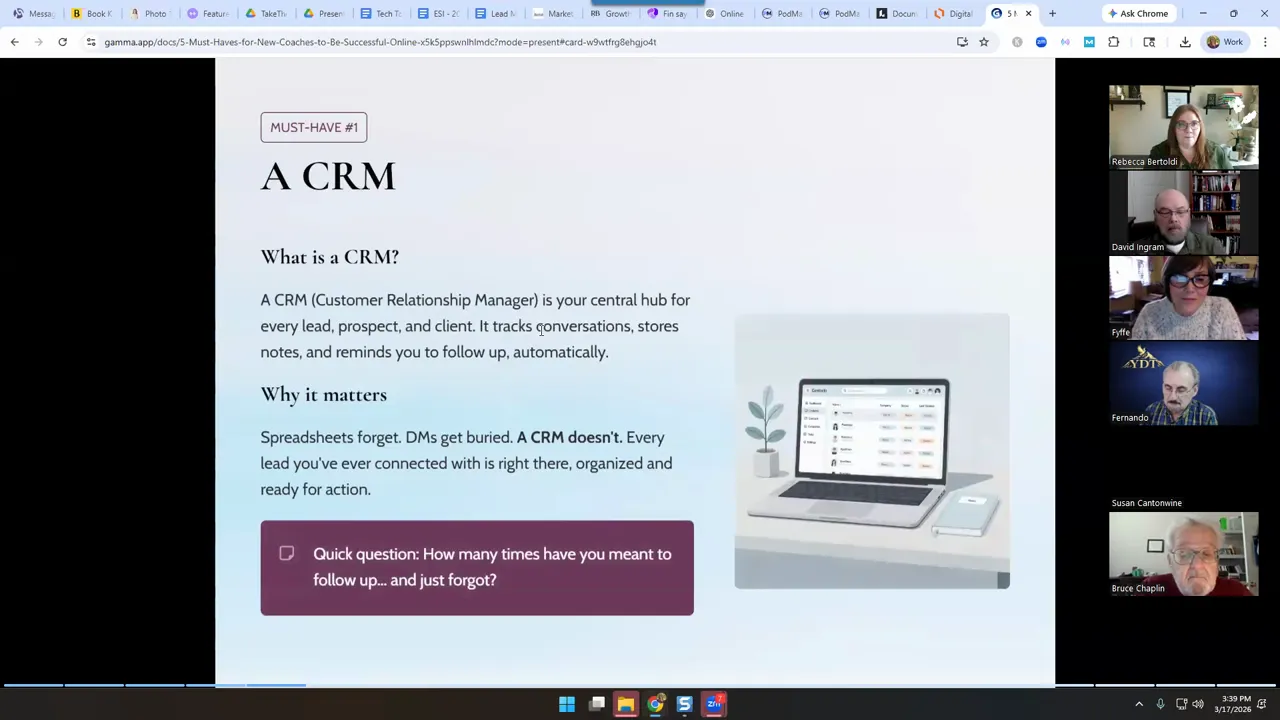
A CRM is the “one happy place” where your lead information, conversations, and follow-up history live. Without it, leads fall through cracks because your interactions happen across DMs, emails, spreadsheets, notebooks, and events.
With a CRM, you can:
Organize everything in one location
Automate follow-up so warm leads do not go cold
Track your pipeline (where someone is in their journey)
Remember details without relying on your brain
Some CRMs also give visibility into what leads did on your website. For example, if someone clicked a “buy” button but did not complete signup, you can see it when you are talking to them. That makes follow-up feel personal and informed.
2) A booking calendar (with reminders and smart screening)
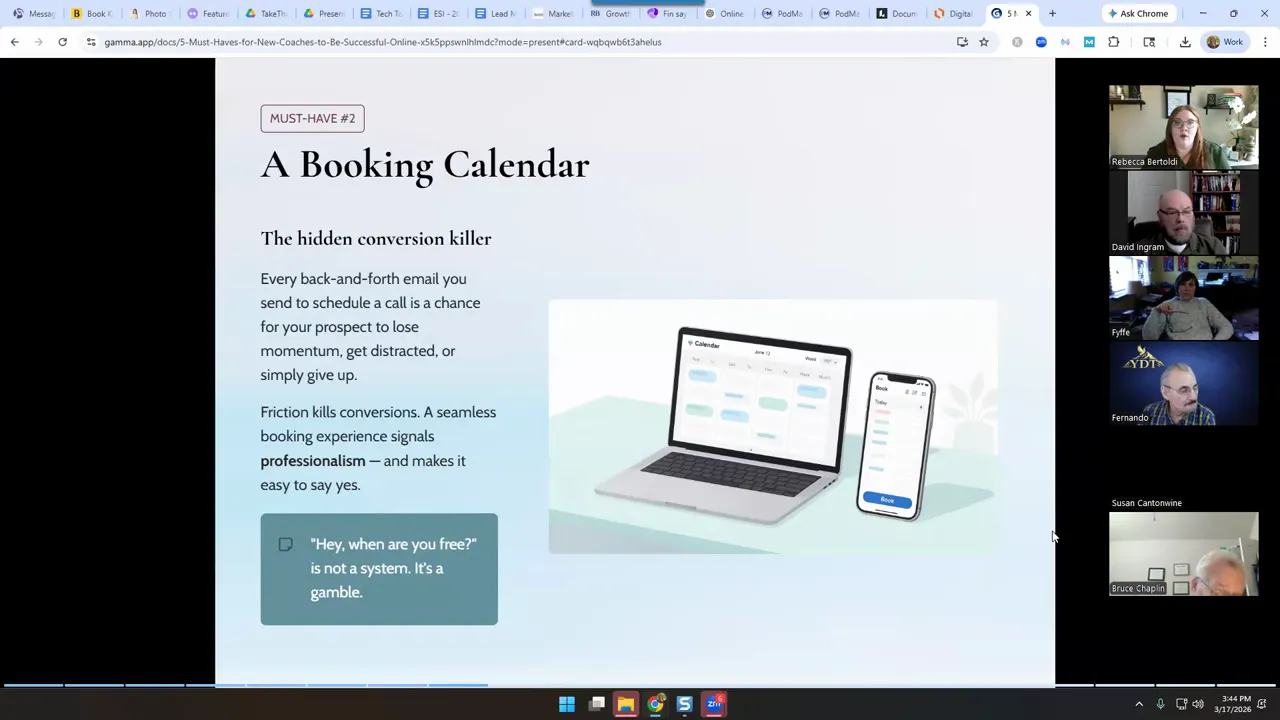
Your calendar link is not just scheduling. It is conversion.
If you have ever had the back-and-forth of “Are you free Tuesday?” “No, Thursday works better,” you know why instant booking matters. Instead of negotiating times, you give prospects a link and let them pick what works.
A great booking calendar includes:
Instant confirmation so someone feels taken care of right away
Automated reminders to reduce no-shows
Optional pre-booking questions to confirm seriousness and help you prepare
Small signals help you understand readiness. And if your call is only for qualified people, you protect your time and raise the quality of every session.
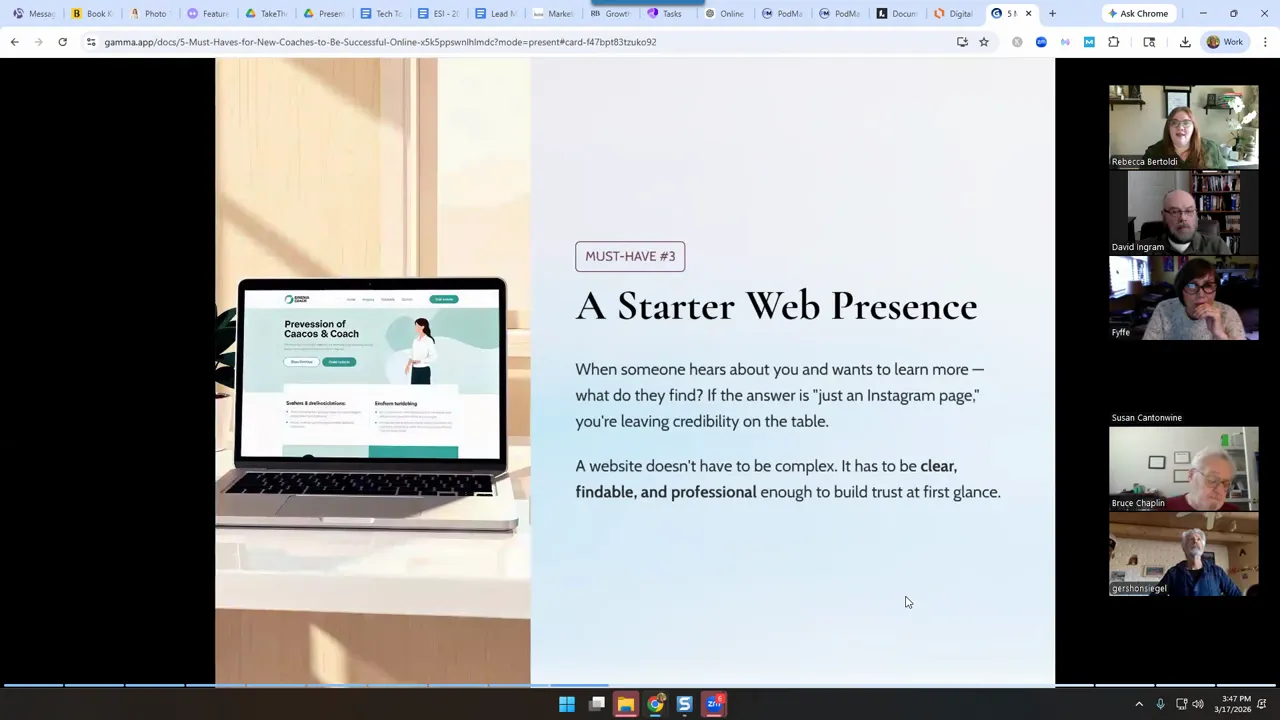
3) A starter web presence (not a full website)
You do not need a complicated, multi-page website when you are starting. You need a professional “home base” that:
builds credibility
helps visitors take action
makes your next step obvious
Think of it as 1 to 3 pages. The key pieces should include:
Your “who I help” statement (your one-line elevator pitch)
A clear way to contact you and/or book
Messaging that is specific enough that people instantly understand what you do
Also, “findable” matters more than fancy. You can have the prettiest site in the world and still struggle if nobody can easily take the next step.
4) An email list (because you own it)
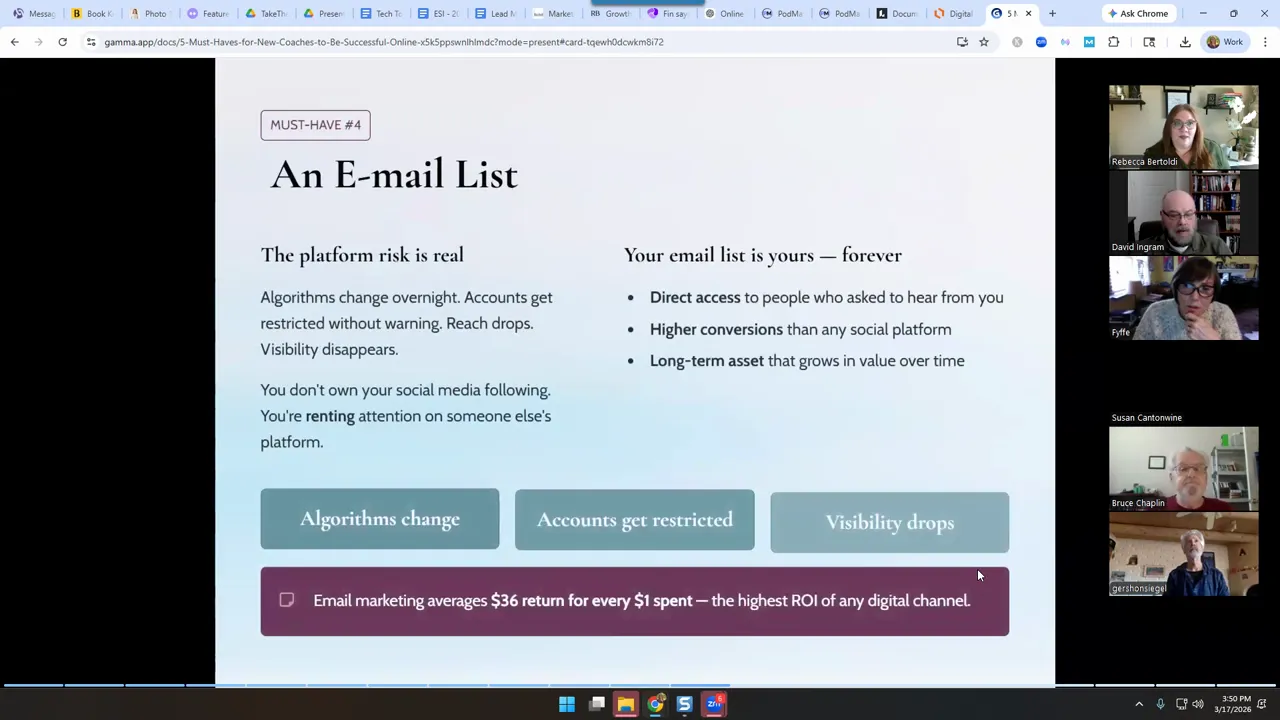
Social platforms change, algorithms shift, and accounts can get shut down. Your followers are not guaranteed to remain in reach.
Your email list is different. It is an audience you control.
Email also tends to deliver the highest return on investment because it is your warm audience, people who already opted in to hear from you. Even a simple newsletter once a month can create trust over time.
Email is also useful for ads:
You can run ads to your list for higher conversion
You can use your list to create look-alike or similar audiences on platforms like Meta
Warm leads convert better. That is not hype. That is marketing reality.
5) A branded email address (to protect deliverability)
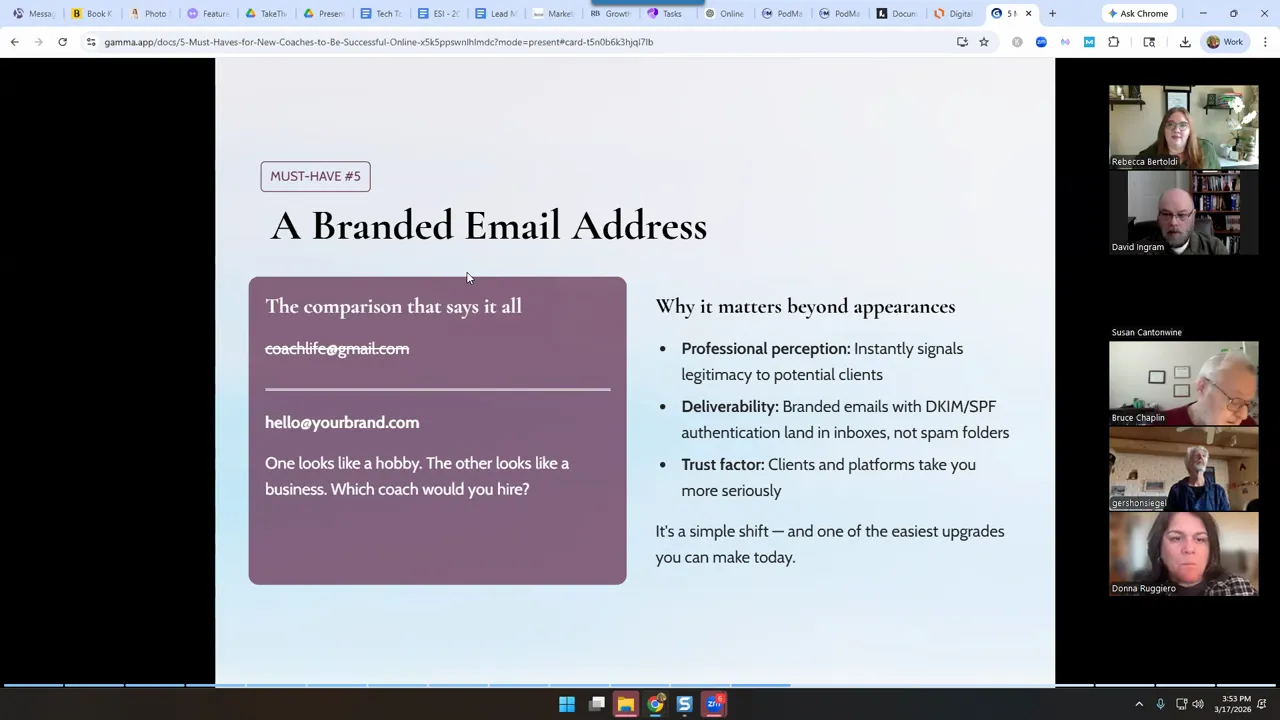
Branded email means your domain shows up in the email address. For example: [email protected].
After the start of 2024, deliverability has been even more strict. Large providers (Google and Yahoo) scan emails more aggressively for spam signals. If you are using a free address like Gmail, your emails are more likely to land in spam.
Branded email helps you align with anti-spam rules and improve inbox placement. It is especially important if you change tactics later, like switching from nurturing emails to frequent sales emails.
Important note: if you are tempted to buy email lists, be careful. Low-quality lists can lead to spam complaints and privacy issues. It can take a lot of cleanup before anything is “safe” to bring into your CRM. A better approach is collaboration-based growth.
Instead of purchasing lists, consider:
Partnering with coaches who share a similar audience
Video swaps (interview each other and share both audiences)
Summits with a lead magnet so attendees have a next step
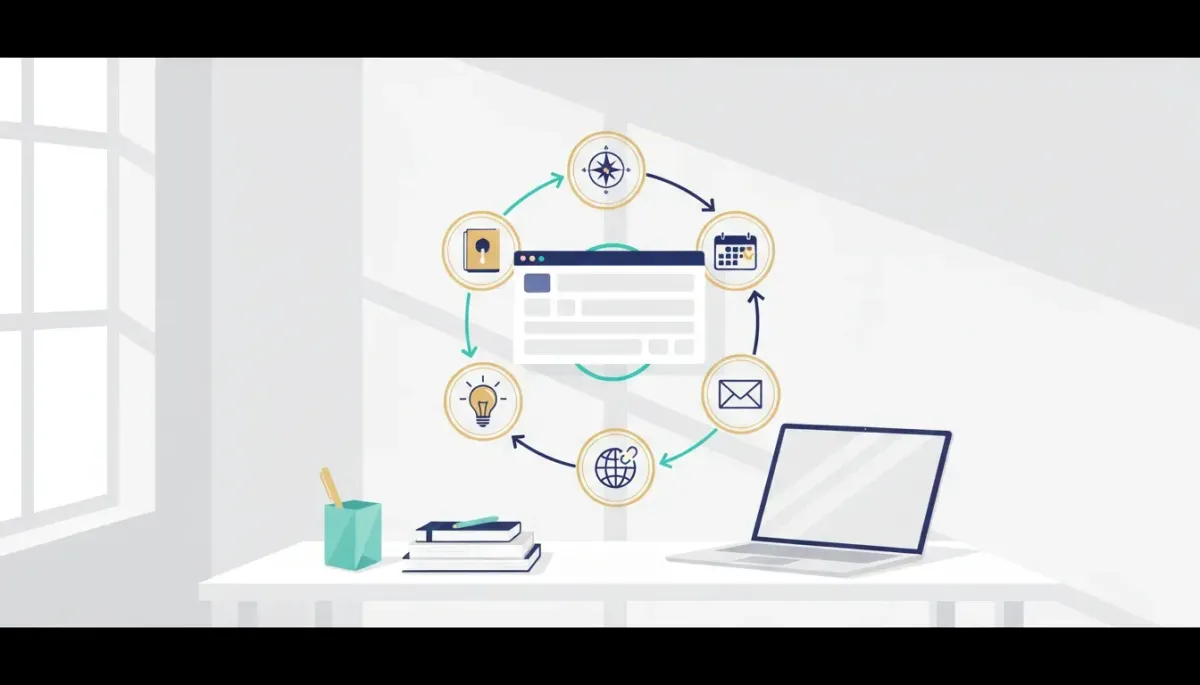
How these 5 systems connect (the real foundation)
This is the “aha” moment. When your systems work together, your lead flow becomes predictable:
Lead magnet collects emails
CRM tracks the lead
Booking calendar turns interest into an appointment
Automated emails confirm the booking and nurture between steps
Branded email improves deliverability and protects your domain reputation
If you build momentum without these signals set up, you can end up spending extra time later fixing deliverability, follow-up, and tracking. Build the foundation first so scaling does not feel chaotic.
Optional but powerful: an all-in-one platform
Some coaches prefer stitching together tools by budget. Others want an all-in-one system.
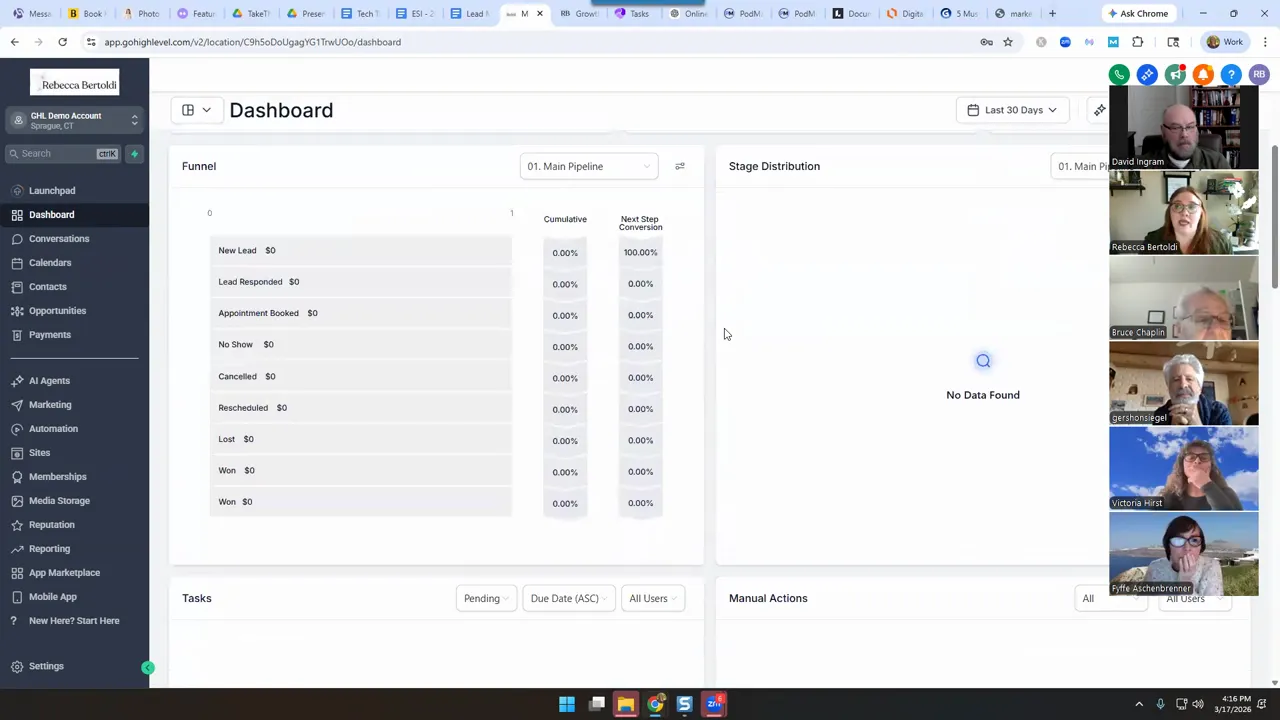
All-in-one platforms can reduce the “log in to ten places” feeling and improve tracking consistency. One example discussed is Go High Level, which combines CRM, pipelines, automations, booking, marketing features, and more into one workspace. It is often easier to connect the pieces when your data lives in one system.
But the best choice is the one you will actually implement correctly and consistently.
A simple next step checklist
If you are starting from scratch, here is a clean order of operations:
Set up a CRM so every lead has a home
Create your booking calendar with confirmations and reminders
Launch a starter web presence with “who I help” + contact or booking
Start building your email list with at least a basic newsletter
Use a branded email address to protect deliverability
Final thought: systems create freedom
Most coaches do not get stuck because they cannot coach. They get stuck because the marketing pieces are fragmented and overwhelming.
When you build these five must-haves from day one, you stop guessing, you reduce overwhelm, and you look professional in every interaction. And most importantly, your authority online begins compounding instead of restarting every time you post or promote.